Rosa Bellantoni was counting the register drawer at her deli on Arthur Avenue in the Bronx when the bell over the door rang for the hundred-and-twentieth time that morning. It was nine-thirty, and the line stretched out to the sidewalk.
"Quarter pound of sharp provolone, please." The voice belonged to a woman Rosa had never seen in thirty-two years behind that counter: designer boots, a Birkin bag, and eyes that swept the shelves like she was pricing out the whole store.
"Coming right up." Rosa's hands moved over the cutting board, the slicer gliding through the cheese with a motion she'd repeated since she was sixteen. Her father had taught her that exact move right there, behind that same counter, back in 1994.
The woman paid with a hundred-dollar bill and waved off the change, then turned at the door. "You know, this place has real potential. Shame you're wasting it."
Rosa let it go. Until the next day, when Sal, who ran the espresso bar next door, burst in waving his phone.
"You see this? Somebody put your shop on TikTok. Two hundred thousand views overnight."
The video showed the counter, the hanging provolone, Rosa's hands slicing capicola — all filmed on the sly, cut together with sad piano music and a caption: "The last real Italian deli in the Bronx. Before this disappears too."
In the comments, thousands of people wrote that they'd drive out just to see it. Others, less kind, wondered how long it would last "before some vape shop moves in."
The next day the line was twice as long. Tourists with phones raised, people filming her slice mortadella, kids asking for selfies before they'd bought a thing. Rosa felt like an animal in a display case, but sales had tripled, and her son Tony, who for months had been pushing her to sell the business and open a sneaker store with the money, had gone unusually quiet about it.
Then the letter came from the building manager.
Rosa called the number on the letterhead three times before a man named Dave Kaczynski picked up, sounding like he was eating lunch at his desk.
"The fund's had an offer on your space," he said. "Frozen yogurt chain. They want to open on the block, ride some of that foot traffic from the video everybody's been sharing."
"That's my shop in the video."
"I'm aware." A pause, papers shuffling. "Look, Ms. Bellantoni, the offer's four times your current rent. Ninety days to vacate, or we talk about a new lease at four thousand a month. Your call."
Rosa stood at the register with the phone against her ear and her other hand flat on the glass case, right over the tray of soppressata, and said nothing for so long that Kaczynski asked if she was still there.
"I'm here," she said, and hung up.
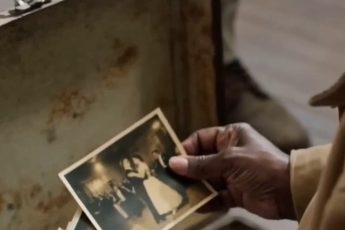
She didn't cry. She flipped the sign to CLOSED an hour early, sat down on the stool behind the counter, and looked at the photo of her father tacked up by the register — green apron, same as the one she had on, squinting into a camera flash from some Easter thirty years back. Then she called Tony and told him to come by after his shift.
He showed up at eight with two slices of pizza from Full Moon and found her sitting on the counter itself, something she never allowed anyone to do, feet dangling like a kid.
"They want four thousand," she said. "We pay nine hundred now."
Tony set the pizza box down slow. "Four thousand for this block? That's insane."
"That's what I said. Man on the phone agreed with me. Didn't matter."
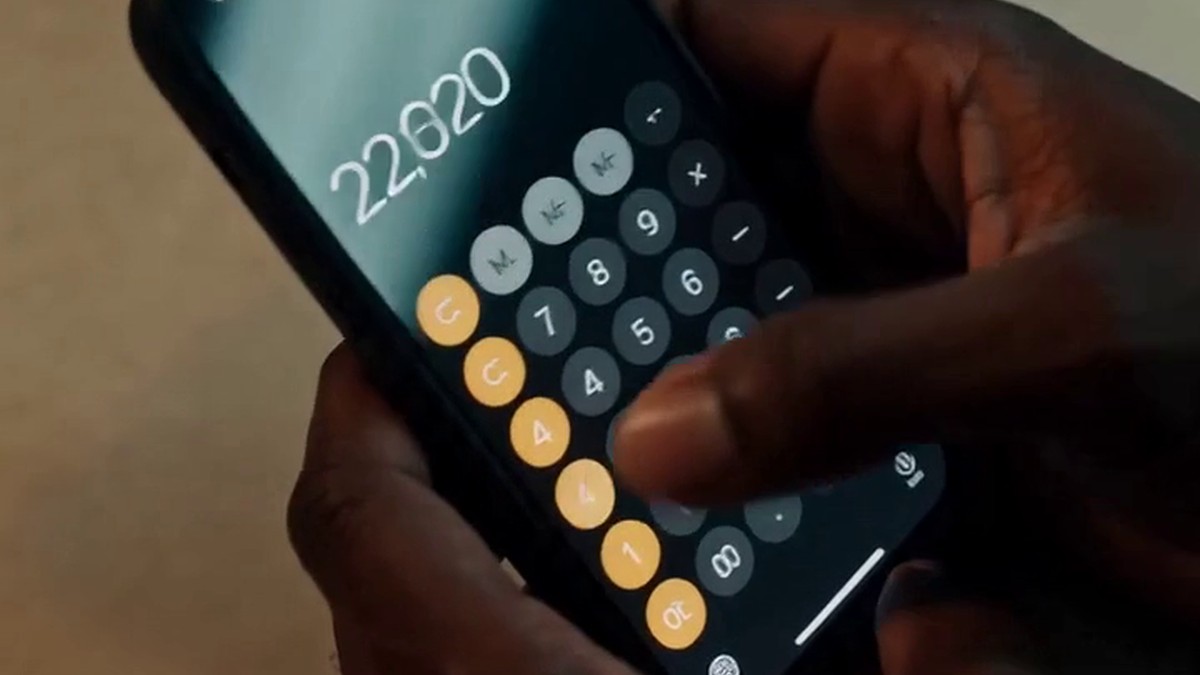
He climbed up next to her, and for a while neither of them said anything, the shop dark except for the light over the register. Then Tony pulled out his phone and opened the calculator app.
"How much did we actually pull in? These last two months, all the video traffic."
"I don't know, Tony, I've been slicing meat, not doing spreadsheets."
"Ma. The drawer counts. You have every one of them in that composition book."
She got the book from under the counter, and they went through it page by page, Tony reading numbers out loud, Rosa doing the subtraction in her head faster than he could type it into his phone. Somewhere past ten o'clock he set the phone down.
"Thirty-one thousand. Over what you'd normally make in two months, I mean the extra."
"That's not four thousand a month, Tony. That's not even close over a year."
"No. But it's a deposit. It's leverage. It's you walking in there instead of sitting home waiting for the ninety days to run out."
She shook her head, staring at the slicer, its blade catching the light. "And if they say no?"
"Then we figure out the next thing. But Ma — you gotta at least sit at the table."
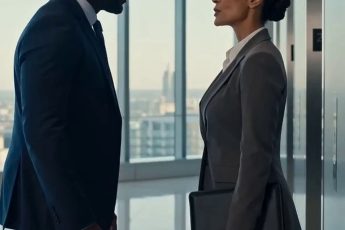
She sat at the table two days later, in a glass conference room on Third Avenue, Kaczynski across from her along with a younger woman who didn't say much and typed on a laptop the whole time.
"I can do twenty-eight hundred," Kaczynski said. "That's the floor."
"Nine hundred is what I pay. I can go to fifteen."
"Ms. Bellantoni, we have a signed letter of intent from —"
"You have an offer. Not a lease. I've been on that block thirty-two years. Your yogurt people don't know if they'll last two."
The younger woman stopped typing. Kaczynski glanced at her, then back at Rosa, and something in his face shifted — less landlord, more tired man doing math in his head.
"Off the record," he said, "the yogurt account is shaky. Corporate's been slow signing paperwork, and if they walk, I've got a vacant storefront on a street where you're the only reason anyone's filming anything. An empty window doesn't pay rent either."
"So don't leave it empty."
He tapped his pen against the table three times. "Twenty-two hundred. Three-year lease, fixed. That's the best I can do without corporate flagging it."
Rosa thought about the composition book, about thirty-one thousand dollars that wasn't enough and somehow had to be, about her father's green apron.
"Twenty-two hundred," she said, and put her hand out before she could talk herself out of it.
That night, back on the counter with Tony, she finally let him bring up the online storefront — shipping the provolone and the soppressata and the good olive oil to strangers in Ohio and Texas who'd seen the video and wanted a piece of it. She'd said no to the idea twice already that week, flat, no discussion. This time she chewed on it in silence while Tony waited, not pushing.
"Nobody touches the shelves," she finally said. "The wood stays as it is. And his picture doesn't move. Not one inch, Tony, I mean it."
"Deal."
"And you're doing the shipping. Not me."
"Deal, Ma."
Six months later, while slicing prosciutto for a regular from the block — not for a camera, not for a video — Rosa looked up and saw, through the front window, the space across the street where the frozen yogurt shop was supposed to go. Still empty, with a "For Lease" sign yellowed by the sun. The fund out of Manhattan hadn't found anyone else willing to pay that kind of money on a narrow street in the Bronx.
She wiped her hands on her apron, glanced once more at the empty storefront, and went back to slicing.