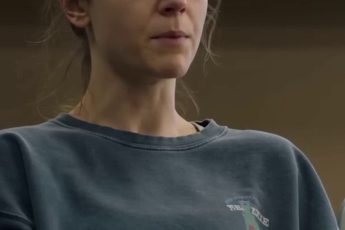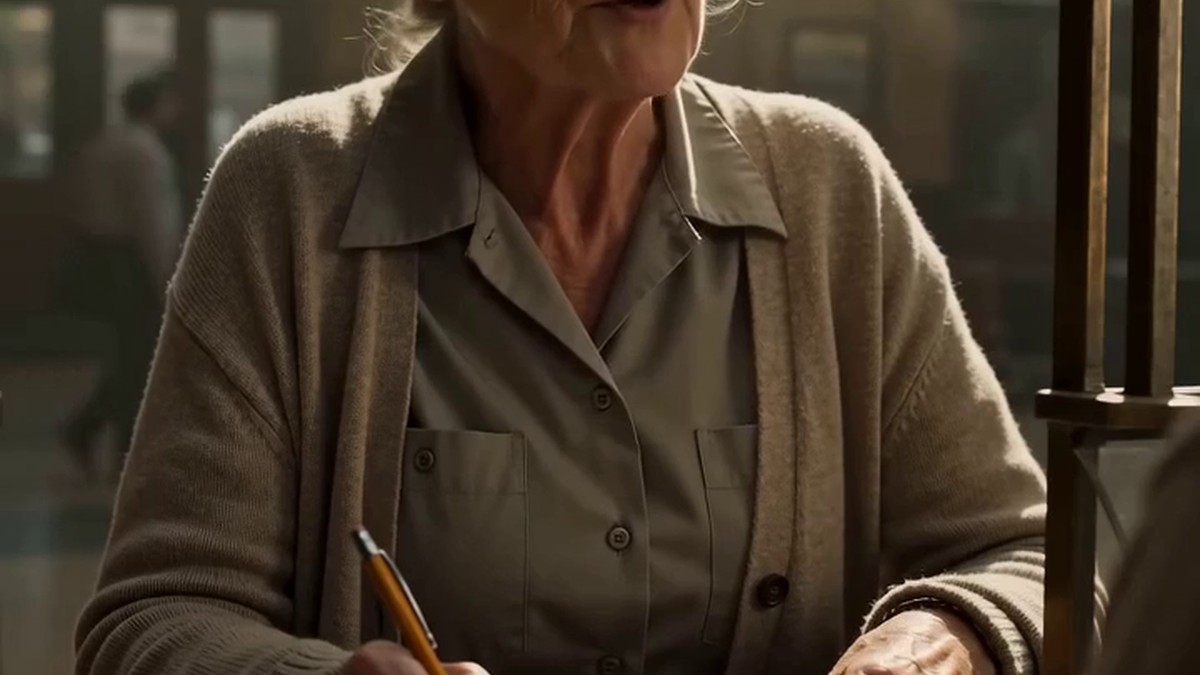
Marlene Katz has worked the ticket window at the old Union Depot in Fort Wayne, Indiana, for twenty-six years. She knows exactly how many people ride the one Amtrak train that still stops there — the Capitol Limited, headed for Chicago in one direction and Washington, D.C. in the other. On a good Tuesday, maybe eleven passengers.
"People think I'm exaggerating," she says, propping the window open with a coffee mug that says WORLD'S OKAYEST GRANDMA. "I'm not. Eleven. I counted."
The depot itself is a limestone building from 1914, with a domed ceiling and brass fixtures nobody polishes anymore because there's no budget for it. Pigeons have gotten into the east wing. Marlene keeps a space heater under the counter because the building's heating system was built for a waiting room that used to hold four hundred people at once, back when a man could get his shoes shined while he waited for the 4:15 to Pittsburgh. Her father worked the line forty-one years. She's got his railroad watch in her desk drawer, stopped at some hour that doesn't mean anything anymore, and she still winds it every couple of months out of habit.
The letter came on a Wednesday, tucked between a water bill and a coupon flyer, and Marlene almost tossed it before she saw the Amtrak logo in the corner.
*Regional Service Optimization Review* — that was the header. Under it, four paragraphs of language soft enough to slide past a person who wasn't paying attention. Fort Wayne's daily stop was, effective in ninety days, being "evaluated for consolidation," which meant, once she called the district office and made the woman on the other end actually say it out loud, that the Capitol Limited might stop stopping here at all. Riders would be routed to a shuttle bus to Waterloo, forty minutes north, where the tracks still saw enough traffic to justify a platform.
Marlene read the letter twice at the counter, then folded it into her coat pocket like it might un-happen if she didn't look at it again.
She didn't tell anyone that first day. She opened the window at 6:15 same as always, mug of coffee, heater humming, and sold two tickets — a college kid heading back to DePaul and an older man going to visit his sister in Elkhart. She watched the platform through the window and did the arithmetic she'd never had to do before: twenty-six years, four years short of the pension bump that kicked in at thirty. If they closed the window, there was a transfer clerk job in Toledo, but that meant selling the house, and her son was forty minutes away in the other direction, and she'd promised her grandkids she'd be at every one of their school things this year, and Toledo made every one of those promises a lie.
That Thursday a woman came in wanting to get to Cleveland for her granddaughter's christening — Marlene had helped her once before, back in November, same trip, same tight knot in her shoulders.
"I need to be there Saturday morning," the woman said. "Absolute latest."
Marlene pulled up the schedule and felt something close to relief that she still had one to pull up. "Train Saturday's at 7:10. Should get you in around one, one-thirty, if it doesn't have to yield."
"Yield to what?"
"Freight." Marlene said it flatly, the way she always did, but this time it caught in her throat a little, because in ninety days there might not be a train here to yield to anything. "Norfolk Southern runs the coal and container trains through, and they get the tracks first, technically they're not supposed to, but they do. Sometimes costs you forty minutes. Sometimes two hours."
The woman's face did the thing faces did — that flare of *why does something so simple have to be this hard* — and normally Marlene let it roll off her. This time she found herself gripping the pen a little too hard while she circled the departure time in pencil.
"There's talk of shutting this stop down," Marlene said, before she could stop herself. "So if you want to make that christening next year too, you might want to write somebody a letter."
The woman looked at her like she hadn't expected the ticket lady to say something like that. "Would it help?"
"I don't know," Marlene said honestly. "I've never had to find out."
That night she sat at her kitchen table with her father's watch in front of her and a legal pad, and she started drafting something — not quite a letter, not quite a speech. She crossed out three openings before she found one that didn't sound like begging. *My father worked the Pennsy forty-one years. I've worked this window twenty-six. I'm asking you to look at actual riders before you look at a spreadsheet.*
She brought it to the district meeting two weeks later, held in a conference room at the Holiday Inn off I-69, folding chairs, a regional manager named Petrosky who kept glancing at his phone. There were maybe fourteen people there. Marlene had expected more, and then was ashamed of herself for expecting it, because she of all people knew exactly how few riders this stop actually served.
She stood up when Petrosky opened the floor. Her voice came out steadier than she felt.
"Eleven riders on a good day, that's what people always say when they want this closed. I'm the one who counts them, so I know the number's real. But I also know that woman going to her granddaughter's christening isn't a number. She's not going to drive three and a half hours with two kids in the back seat, and she's not flying anywhere out of a station forty minutes from her house that doesn't exist. She's just not going to go." Marlene set the legal pad down on the table in front of her, unopened. "You close this window, you're not saving money on eleven riders. You're deciding eleven people don't get to go where they're going anymore. That's the whole math. I've done it both ways and it doesn't come out different."
Petrosky wrote something down. Told her the review would take the comments under advisement, standard language, the kind that meant nothing and everything depending on who was listening on the other end. Marlene didn't know, walking out to the CR-V that night, whether it had made any difference at all.
The letter that came six weeks later didn't say *saved*. It said *pending further review, current service levels will be maintained through the next fiscal year evaluation period.* Not a victory. Not nothing, either. A stay, is what it was — the kind her father used to talk about getting from a judge, back before she understood what stays actually meant, which was just: not yet.
She read it standing at the ticket window, the same spot she'd been standing in for twenty-six years, and didn't call anyone right away. She refolded the letter along its original creases and set it in the drawer next to the watch.
The Capitol Limited pulled out that evening the way it always did — just the engine, a baggage car, two coaches, half-empty. Marlene watched it go from the platform, then walked back through the waiting room, past the mural of wheat fields nobody had funded properly in decades, and set the alarm.
She still opens the window every morning at 6:15. Mug of coffee. Space heater humming. She doesn't know if the stop will be here in five years, or two, and she's stopped pretending the not-knowing doesn't sit somewhere under her ribs most days. But most mornings, eleven people show up wanting to go to Chicago, or Cleveland, or wherever it is they're trying to get to, and she sells them the ticket, and she circles the time in pencil, and she tells them to call ahead in case the freight backs things up.