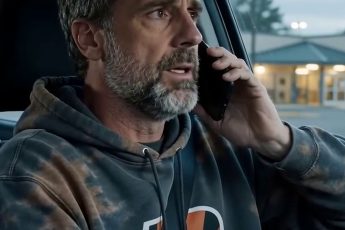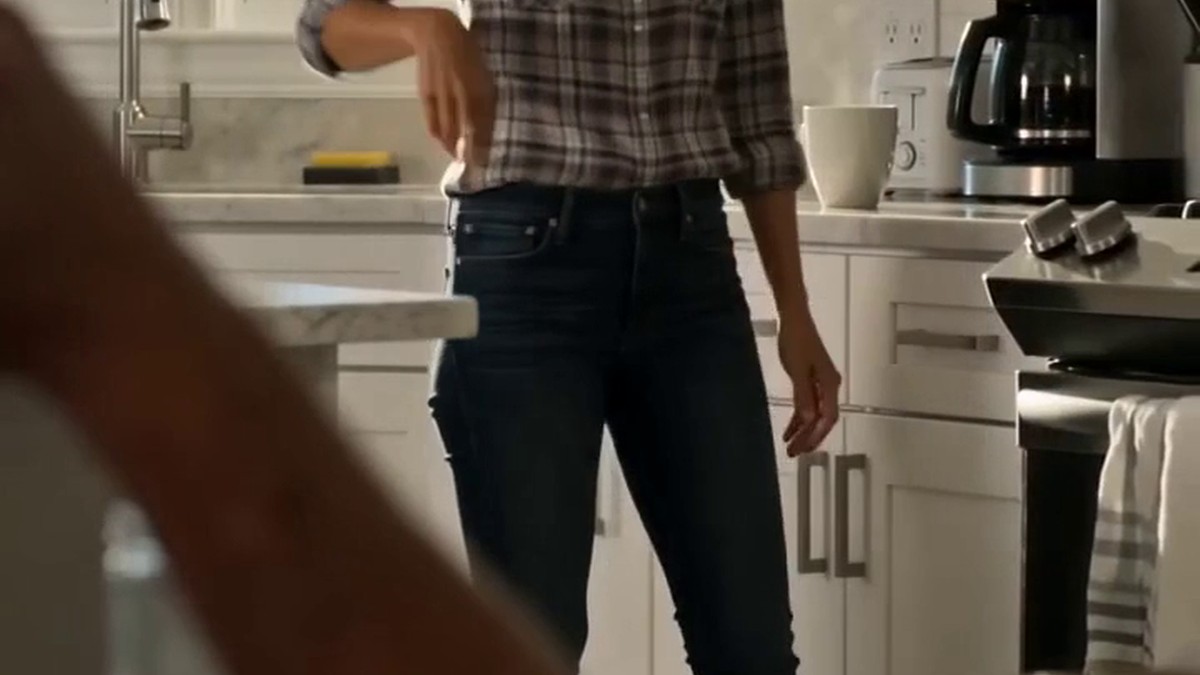
The phone buzzed against the quartz countertop for the fourth time that Saturday morning. Lauren didn't need to check the screen. Sharon. It was always Sharon on Saturdays, always between nine and ten, always the same breathless urgency in her voice.
She pressed the green button anyway.
"Lauren? Sweetie, I need the truck." Sharon's voice came through the speaker, tinny and rushed. "The tomatoes came in all at once. I've got maybe fifty pounds of zucchini, three bushels of green beans, and I promised the food pantry a load by noon."
Lauren swiped a damp sponge across the counter, pushing breadcrumbs into a neat pile at the edge. "Derek's home. He can run out."
"Honey, you know his little Honda can't fit all that. Your truck has the bed."
"Then rent a truck."
"Rent a truck! Do you know what U-Haul charges these days? Two hundred and forty dollars plus mileage. That's robbery for vegetables I grew myself."
Lauren set the sponge down and wiped her hands on the back of her jeans. The porch light had been out since March—she'd stopped mentioning it after the fourth time Derek said he'd fix it. "Derek's in the shower. I'll tell him you called."
She hung up before Sharon could argue.
From the hallway, bare feet slapped against the floorboards. Derek shuffled into the kitchen, hair still wet, a gray towel draped around his neck. "You hung up on my mother?"
"I ended the conversation."
"Same difference." He reached for the coffee pot and shook it—empty. "She needs help with the garden. It's not a big deal."
"Then it's not a big deal for you either."
Derek set the pot down harder than he needed to. "My car can't handle fifty pounds of vegetables. Your truck can. I don't understand why every simple request turns into an argument."
Lauren opened the refrigerator. The shelves were nearly bare—a half-empty carton of oat milk, a shriveled lime, something wrapped in foil that had been there long enough to develop its own ecosystem. "You could borrow the truck."
"You know I don't like driving that thing. It's too big."
The irony of that sentence sat in the kitchen like a third person. Her truck was too big for him to drive, but not too big for him to expect her to spend her entire Saturday hauling produce for his mother.
"What about last Thursday?" Lauren closed the refrigerator without taking anything out.
"What about it?"
"Last Thursday, when my dad's oxygen levels dropped and I needed someone to drive him to urgent care. My car was at the shop for the brake recall. Remember?"
Derek's hand went to the back of his neck. "I had a work thing."
"No, you didn't. You were watching the Buckeyes game. I saw the score on your laptop."
"Jesus, Lauren. That was different. Your dad has a medical alert button. He could've called an ambulance."
"He needed a ride. Not an ambulance." Lauren turned to face him. "And you told me, exact words: 'I'm not spending my afternoon in a waiting room for someone who's not my blood.'"
"I never said that."
"You said, 'call your brother.' And when I reminded you my brother lives in Michigan, you said, 'then he can drive down.'"
Derek's jaw tightened. "I was frustrated. You know how your dad gets."
"How does he get?"
"Forget it." Derek waved a hand. "You're changing the subject. This is about my mother and her vegetables."
Lauren let out a laugh that surprised even her. "You're right. It's about your mother. So you go handle it."
She took her truck keys from the hook by the garage door and tucked them into her pocket.
"Come on, Lauren. Don't be like this." Derek stepped closer, his voice dropping into that soft, pleading tone he used when he wanted something. "She's sixty-eight years old. She works all spring and summer in that garden. Half of what she grows is for us."
"When's the last time she brought anything to our house?"
Derek blinked. "What?"
"The green beans last year. She gave them to your cousin's family. The tomatoes she canned in August—she sold them at the farmers market. We've lived in this house four years and I've never seen a single zucchini come through that door."
"That's not true."
Lauren took out her phone. "Text from August twelfth: 'A lovely family bought my entire tomato harvest. Made eighteen hundred dollars. Finally getting that new patio furniture.'" She turned the screen toward Derek. "Patio furniture. For her."
Derek's mouth opened, then closed. When he couldn't find a response, he did what he always did: he got louder. "You know what? Forget it. I'll figure it out myself."
He stomped back down the hallway. The bedroom door slammed.
Lauren stood in the kitchen, keys in her pocket, listening to the silence. Then she did something she'd never done before.
She opened the garage door, backed the F-150 into the driveway, and drove to AutoZone. The padlock cost eleven dollars and ninety-eight cents. The hasp that went through the tailgate latch cost another four. She came home, locked the truck's tailgate, and tucked the key into the inside pocket of her purse—the one Derek never opened.
Because she knew Derek. She knew he'd wait until she was in the shower or running errands and then take the truck anyway, hoping to avoid the fight. He'd done it before with her tools, her laptop, her credit card.
At one-forty, her phone buzzed again. Sharon.
"Lauren, what's going on? Derek says you locked the truck. Are you serious?"
"I'm serious about not being available today. Derek is handling the garden."
"Handling it how? He's been on the phone with rental places for an hour. They want almost two hundred and fifty dollars just for the day. That's insane money to waste."
"Sounds like Derek's decision."
"This comes out of your household budget, you know. This affects you."
"Does it?" Lauren heard the edge in her own voice. "Because when my dad needed seventy-three dollars for his blood pressure medication last month, Derek said it wasn't in the budget. He made me transfer it from my personal savings."
"That's your father. This is different."
"How?"
"Because I'm family!"
Lauren moved the phone away from her ear and looked at it for a second. Then she said: "My father is family too. Or does that only work one way?"
She pressed the red button and set the phone to silent.
Around five-thirty, a rumbling engine drifted through the front windows. Lauren looked outside. A rental truck was angled against the curb, the bed stacked with cardboard boxes and plastic bins. Derek was behind the wheel. Sharon sat in the passenger seat, her hands folded in her lap like she was being chauffeured to an event.
Lauren watched through the glass. Derek hit the curb three times before getting the truck parked. He jumped out, red-faced, and started unloading. Sharon stood on the sidewalk, directing him with tiny flapping motions of her hands.
"Not that box! Turn it around! You'll bruise the tomatoes!"
Lauren closed the curtain and walked back to the kitchen. She opened the drawer by the sink and took out a notepad and a pen.
Derek came inside around seven, sweating through his shirt, looking like he'd wrestled a bag of cement. He collapsed onto the couch, arms spread wide.
"I rented a truck. Three hundred and twenty dollars with mileage and a late fee because my mother kept changing her mind about which boxes went where."
"Okay."
"I need you to cover half. The produce is for both of us."
"The produce isn't for me. You and your mother can figure out the payment."
"What is wrong with you today?" Derek sat up, eyes narrowing. "You've never acted like this."
Lauren picked up the notepad from the kitchen counter and carried it over. She handed it to him. "A new arrangement. I'm moving my direct deposit into a separate account. We'll each pay half the mortgage and utilities. I've calculated the amounts."
"You can't just—"
"I can. And I will." Her hand didn't shake. "This is what you wanted. Separate finances. Not your problem. Figure it out yourself."
Derek read the paper. His face turned a shade of red Lauren hadn't seen since the time the water heater broke. "This comes to eleven hundred and seventy-five dollars a month. That's more than half my paycheck."
"Then maybe you should've considered that before you told me my father wasn't worth an afternoon."
That Monday, Lauren did three things. She opened a personal checking account at the Chase branch on High Street. She changed her direct deposit before lunch. And she listed the F-150 for sale on Facebook Marketplace.
The truck sold in nine days. Fifteen thousand eight hundred dollars. She used part of the money to pay off her father's medical bills—the ones Derek had refused to help with—and put the rest in a high-yield savings account in her name only.
When the buyer drove off in the truck, Derek stood in the driveway. "You sold the truck? That was our truck."
"No, it wasn't." Lauren turned to face him. "It was in my name. I made the payments. I paid the insurance. And you told me—exactly one year ago—that my name on the title meant I could do whatever I wanted with it. Remember? When you sold your old bass boat without asking me?"
Derek's mouth opened. Closed. He had no words for that, either.
A month later, the house had settled into a strange new rhythm. Derek bought his own groceries and stacked them on the bottom shelf of the refrigerator—the shelf Lauren had cleared for him. He took the COTA bus to work instead of asking for rides. He stopped complaining about his back.
The boxes of zucchini and tomatoes that Sharon had insisted on sending went bad on the back porch. Derek never unpacked them. The smell started drifting through the screen door after about two weeks, sweet and rotten. Lauren didn't touch them. She didn't clean them up. She'd spent years cleaning up the consequences of other people's choices, and she was done with that particular job.
One Saturday morning, the phone buzzed again. Lauren looked at the screen. Sharon.
She let it ring.
The buzzing stopped. Then started again. Then stopped.
Lauren picked up her coffee and walked to the front porch, where the morning sun was already warming the boards. The porch light was still broken, but she'd bought a replacement bulb the day before. It sat in a paper bag by the front door, waiting.
She took a sip of coffee. Warm, bitter, exactly how she liked it.
The phone buzzed a third time, then went still.
Lauren turned it face down on the armrest and sat back, watching a neighbor's golden retriever chase a squirrel across the front lawn, the dog's tags jingling in the morning quiet. Behind her, she heard Derek's footsteps in the kitchen. The refrigerator opened. The clink of a shelf being rearranged.
He was learning to shop for himself.
The phone stayed silent.
And the weight that had been pressing on Lauren's chest for four years—the weight of every ride she'd given, every bill she'd covered, every argument she'd swallowed to keep the peace—that weight was gone. She hadn't noticed it leaving. She'd been too busy locking the tailgate, opening the bank account, signing the title over to a stranger.
But it was gone.
And the porch light was about to work again. That was next on the list.