My sister Tessa changed the locks on Dad’s house eleven months ago. She texted me the day after the funeral: Don’t bother driving down. I need time to pray. I was still cutting the price tag off my son’s black suit.
On July 19, I drove from Columbus to Youngstown with a manila folder on the passenger seat. Inside: three years of property tax receipts, a copy of the will, and a photo of Dad in front of the house in 1989. My son Eli started at Ohio State in five weeks. His first bill was $12,680. I taught eighth-grade math, and every dollar in that folder had a purpose.
The house sat on Crandall Avenue, two blocks from Mill Creek Park. The porch light was off. A strip of masking tape covered the switch. The front door hung open four inches, and the kitchen light made a long rectangle on the concrete steps. Tessa’s Ford Escape sat half in the grass because the garage was blocked by a rusted snowblower.
I didn’t knock. The storm door clapped shut behind me. The kitchen smelled like burnt toast and the lilac air freshener Dad used to buy by the case at the Dollar Tree. On the table, under the glass coffee pot, lay a stack of white paper.
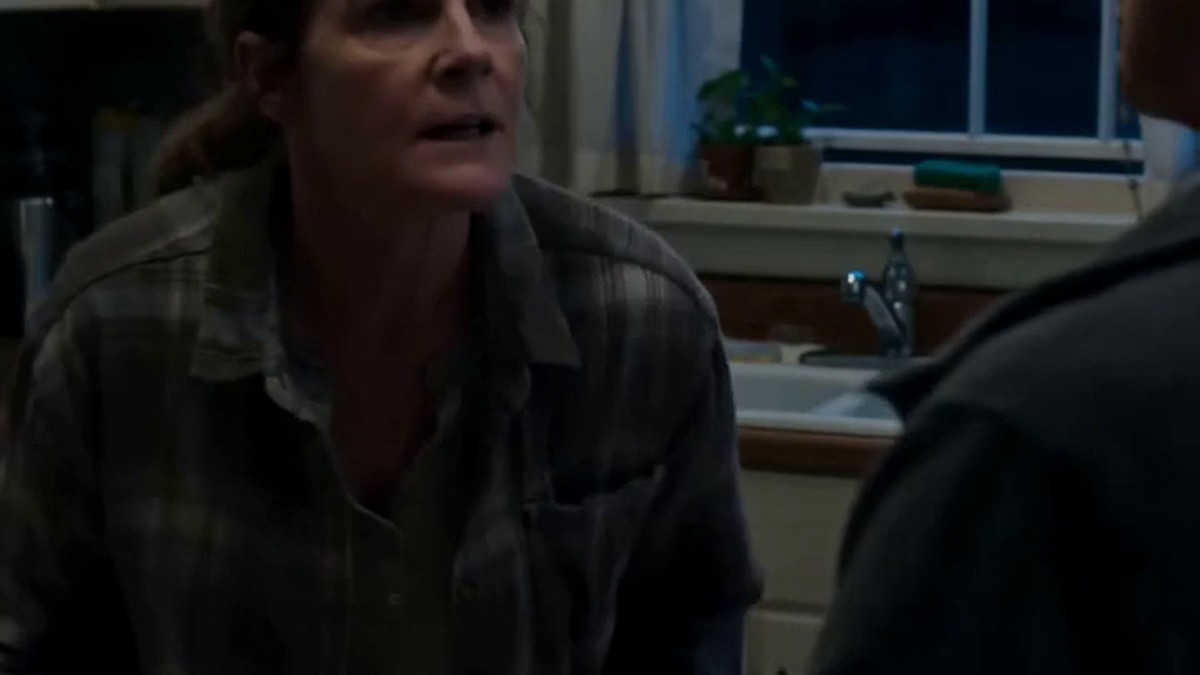
Tessa came out of the back bedroom carrying a laundry basket. She set it down hard enough that two folded towels bounced onto the floor.
“You can’t just walk into my house,” she said.
“It’s half mine. The county has my name on it.”
“For now.”
She reached for a coffee mug and didn’t deny anything. Her thumb left a smudge on the top sheet. I saw the county recorder’s stamp and the words QUIT CLAIM DEED. Under it, a purchase agreement with a cash buyer: $88,000. The deed said I had released my interest in the property for ten dollars and other good and valuable consideration.
My signature sat on line four. Megan R. Halloran, in blue ballpoint. The R had a loop—the old curl from before. I stopped making that loop eight years ago, after I slipped on black ice outside Wright Middle School and broke my right wrist in two places. The surgeon reset it, but the nerve never came all the way back. My signature since then looks like a flat line after the M, like a heartbeat that gave up.
I took my voter registration card out of my wallet. The R on that card was a straight slash. Tessa didn’t look at it.
“You signed my name,” I said.
She poured coffee into a mug that said YOUNGSTOWN. “I signed what you would have signed if you’d cared about Dad as much as I did.”
“Dad wanted it split.”
“Dad wanted someone to change his sheets at three in the morning. That was me.”
She wasn’t wrong. For the last two years of his life, I came down every other Saturday. I graded quizzes at his kitchen table while Tessa scrubbed his back and sorted pills into little plastic cups. She quit her job at the auto parts warehouse. I kept my job, paid the bills, and drove home.
The air in that kitchen had a charge like before a storm. On the eve of St. Elijah, Dad used to say the sky listened extra hard to angry people trying not to be angry. I didn’t feel like being listened to.
“I have a buyer closing Tuesday,” Tessa said. “After the holiday.”
“You have a forged deed.”
She set the mug down. “Prove it.”
I dug my phone out of my coat. My thumb missed the passcode twice—4-6-0-2. I got it open and called Nate Rizzi, the lawyer who handled Dad’s will. He answered on the fourth ring. I put him on speaker.
“Nate, I’m at Dad’s house in Youngstown. Tessa has a quitclaim deed with my signature on it. I didn’t sign it.”
“Are you looking at the original?” he said.
“It’s under the coffeepot.”
“Take it. Put it in your bag. Then call the Mahoning County recorder’s office. I’ll email you a fraud notice. The title company will freeze the closing by Monday.”
Tessa’s hands flattened on the table. Her knuckles went white. “You can’t do this. I have a buyer.”
“Not after the title search comes back flagged,” I said. “You have one option. Buy my half for forty-four thousand by the end of the month, or this deed goes to the prosecutor’s office.”
“I don’t have forty-four thousand.”
“Then you shouldn’t have signed my name.”
I opened the county treasurer’s website on my phone. The bookmark from February was still there. I tapped Manage AutoPay. The parcel number was already filled in—53-049-0-007.00. My checking account ended in 2241. I hit Remove Payment Method. The confirmation screen came up: 17-3042. I turned the phone so Tessa could read it.
“That’s the property tax,” I said. “I’ve paid it for three years. The fourth bill comes in November. It’s $3,940. It gets mailed to you now.”
Her mouth moved on the confirmation number. Then she snapped the coffee mug off the table and threw it into the sink. It shattered against the faucet.
I picked up the quitclaim deed, folded it once, and put it in my bag. I walked out.
On the porch, the neighbor’s one-eyed beagle stood by the hedge, panting. Tessa came after me to the top step.
“You were always against me,” she said.
I didn’t answer. I got into the car and set the bag on the seat. The paper crackled under the handle. I drove past the little church on Meridian Road, where the vigil candles were still burning behind the glass. Dad’s candle would have been on the second shelf, in the red glass cup with a chip on the rim.
I didn’t stop.