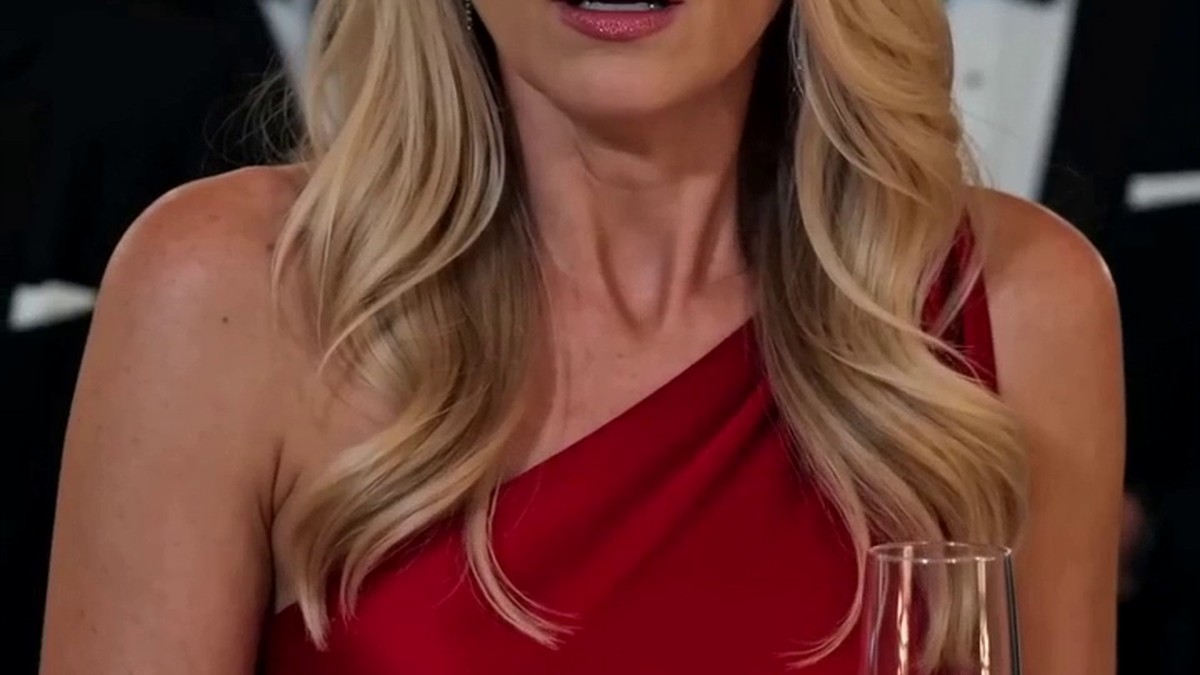
The text came in while I was tidying up the living room. Paul’s phone buzzed on the armrest, screen lighting up with a name I didn’t recognize: *Amber*. I only picked it up to plug it in for the night, but the preview showed a photo of two dresses—one red, one black—and the message: *Which one for the gala? Red or black?*
His reply was already there: *Red. You’re a knockout in red.*
I let the phone go dark and set it back down on the charger. No yelling, no throwing things. I walked into the kitchen, poured a glass of tap water, and stood at the window. The neighbor’s orange tabby, Milo, was doing his nightly stretch on the porch railing, tail flicking like a metronome. The number 8 bus hissed past on the wet asphalt. Rain speckled the glass. I didn’t cry. I just watched the cat until the light in Mrs. Hardiman’s kitchen went out, then I went to bed.
Paul never noticed anything. The next morning he shoveled in his oatmeal while scrolling emails and muttered something about the corporate gala at the Four Seasons—black tie, spouses invited, but I’d never gone. I hated those affairs. Too many handshakes with people who forgot my name before I’d finished saying it. But this time, as he was halfway out the door, I said, “I think I’ll come.”
He paused, keys in hand. “You? You’ll be bored out of your skull.”
“Maybe.” I picked up my coffee mug. “But I’m coming.”
He shrugged and left. The air in the kitchen held a new weight.
For two weeks I prepared. I’m a freelance medical translator—German to English, mostly—and Paul always called it my “little word hobby.” I let it slide because arguing took energy I didn’t have. Instead, I cancelled all my deadlines and focused on the one thing I could control: how I’d walk into that room. I dug out a navy silk dress I hadn’t worn since a cousin’s wedding in 2017, had it altered to fit my now-thinner frame, and booked an appointment at a hair salon in Ballard. The stylist gave me a blunt bob that made my jaw look sharper. When I put on the dress the night before the event, I barely recognized the woman in the mirror. She had a straight spine and an expression that said she’d already done the hardest part.
I tucked a thin leather portfolio into my clutch—the kind that holds a legal pad—and didn’t let myself think about it again until I needed it.
The gala was on the twenty-eighth floor, floor-to-ceiling windows facing the Sound. The Space Needle was a ghost in the mist, and somewhere a ferry blasted its horn. Chandeliers the size of small cars threw light across white tablecloths and elaborate flower arrangements. Waiters circulated with trays of champagne.
Paul introduced me to a few colleagues with the same enthusiasm you’d use to present a used car you’re not proud of. His hand didn’t touch the small of my back once. I found my seat and scanned the room until I spotted her. Amber, in the red dress. She was maybe twenty-seven, confident in a way that came from never having been told no, and she was seated three tables away. Every time I looked up, she was angled toward Paul like a sunflower.
The evening lurched into a “couples game,” emceed by the company’s marketing VP. He pulled couples from the floor to see how well they knew each other. Paul got called up, and I followed without a word.
The VP asked him my favorite flower.
“Roses,” Paul said, grinning at the audience.
“Peonies,” the VP read from his card. “Next: What is your wife’s middle name?”
“Marie.”
The room tittered when the VP said, “Elizabeth.”
Paul’s neck went pink. The VP asked what I did for a living, and Paul said, “She does something with words. Editing, maybe? Translation?” The word *maybe* landed like a stone. I didn’t help him. I just stood there, letting the silence do its work. By the fifth question—he couldn’t name the book on my nightstand—his smile had turned rigid, and a few people were exchanging looks.
After the game, the VP announced the “Toast to Our Partners” segment. Several women rose, speaking warmly about love and partnership. Then the mic came to me.
I stood up. The room got so hushed I could hear the ice shift in someone’s glass. I took the mic, thanked the hosts, and looked right at Paul.
“I’ve been married to this man for nineteen years,” I said. “Tonight I realized he doesn’t know me. He doesn’t know my favorite flower or my middle name or what I do for a living. But I know him. I know about the red dress. I know the texts. And I know that after tonight, I’m done paying the price for his choices.”
I reached into my clutch and pulled out the leather portfolio. Opened it flat on the table so everyone could see the notarized divorce petition, the property settlement agreement, and a printed bank statement showing a transfer from our joint account into my solo account—sixty-three thousand dollars. The exact cost of the trips, the dinners, the jewelry I’d found receipts for. I slid the papers toward Paul.
“The movers will be at the house at eight tomorrow to pack your things. I’ll be staying at a hotel. My lawyer will be in touch about the rest.”
The room was a photograph. Paul’s mouth opened, but nothing came out. Amber’s face had gone the color of old putty. She set her champagne flute down with a clink that echoed in the silence.
I didn’t wait for a reaction. I picked up my clutch, walked across the ballroom—past the frozen waitstaff, past the table where Amber sat rigid—and out the door. In the elevator, I let out a breath I’d been holding since the night I saw that text.
Outside, the rain had stopped. The pavement gleamed, and the air smelled of salt and wet concrete. A lone ferry horn sounded across the Sound. I turned up the collar of my coat and walked toward the light rail station without looking back.