You have to understand, the hiss of the oxygen machine was the soundtrack to my entire life back then. A constant, mechanical whisper against the silence of our house in suburban Phoenix. My wife, Sarah, would sleep for twelve, fourteen hours, and when she woke, it was to a body that had betrayed her. The cancer wasn’t just a diagnosis; it was a third presence in our marriage, a greedy, silent thing that took all her hair, her energy, and the light from her eyes. I was twenty-nine years old, and I was drowning.
My mother, Linda, never understood that kind of weakness. She’s a Scottsdale real estate agent who treats every setback like a motivational poster. When life gets hard, you work harder. When you feel sad, you book a vacation. So, a week before Thanksgiving, she called with her solution.
“Jake, I did it. Five nights at the Bacara. Ocean view. The works,” she chirped, her voice filling my car’s speakers. “We’ll do a joint birthday celebration, a proper turkey dinner on the cliffs. Just us. It’s all paid for. Non-refundable, of course.”
I remember sitting in the parking lot of the Fry’s pharmacy, a bag of anti-nausea meds sweating on the passenger seat. “Mom, Sarah has her second round of chemo that Thursday. I can’t just…”
Her tone flattened, a switch I knew well. “Jake, I am not tiptoeing around this for another year. She is sick. I don’t want her there, pale and exhausted, pushing food around her plate and ruining the mood. You need a break. Come alone.”
I didn’t shrink from her words. That’s the terrifying part. I absorbed them. My mother’s logic, as cold as the IV fluids they pumped into Sarah’s arm, started to make a twisted kind of sense. I was buried in medical bills. I was eating frozen pizza over the sink. The idea of starched sheets and a bloody mary at sunrise didn’t just sound good—it felt like a medical necessity for me.
Telling Sarah was a study in cowardice. I didn’t sit down on the edge of the bed. I stood near the closet, folding a polo shirt with too much focus. “It’s just a few days. Mom’s been looking forward to it.”
She laughed, a dry, hollow sound. “You’re actually going to leave me here, hooked to a pump, so you can eat canapés with your mother?”
“When you get better,” I said, the words tasting like ash, “we’ll go. Just us.”
She said nothing. I kissed her forehead. The skin was clammy. I walked out. The click of the front door in our Scottsdale bungalow was the quietest, most damning sound I’ve ever made.
The Bacara in Santa Barbara was everything I’d imagined. We had a suite with a fireplace. My mother ordered a three-hundred-dollar bottle of Napa Cab. I was on my third bite of a wild mushroom risotto when the first text came, a buzz against my thigh I chose to ignore because my mother was telling a story about a client’s botched inspection. The laughter at our table felt like a betrayal I was actively choosing, forkful by forkful.
The storm wasn’t on the news until it was on top of us. The rain didn't fall; it materialized as a wall of water against the floor-to-ceiling windows. The power flickered, then died, plunging the dining room into the guttering glow of emergency lights. Then came the sound—not wind, but a low, grinding roar, the earth itself groaning. A waiter dropped a tray, the crash of china swallowed by the panic. The hillside behind the hotel, the one with the postcard-perfect view, was liquefying.
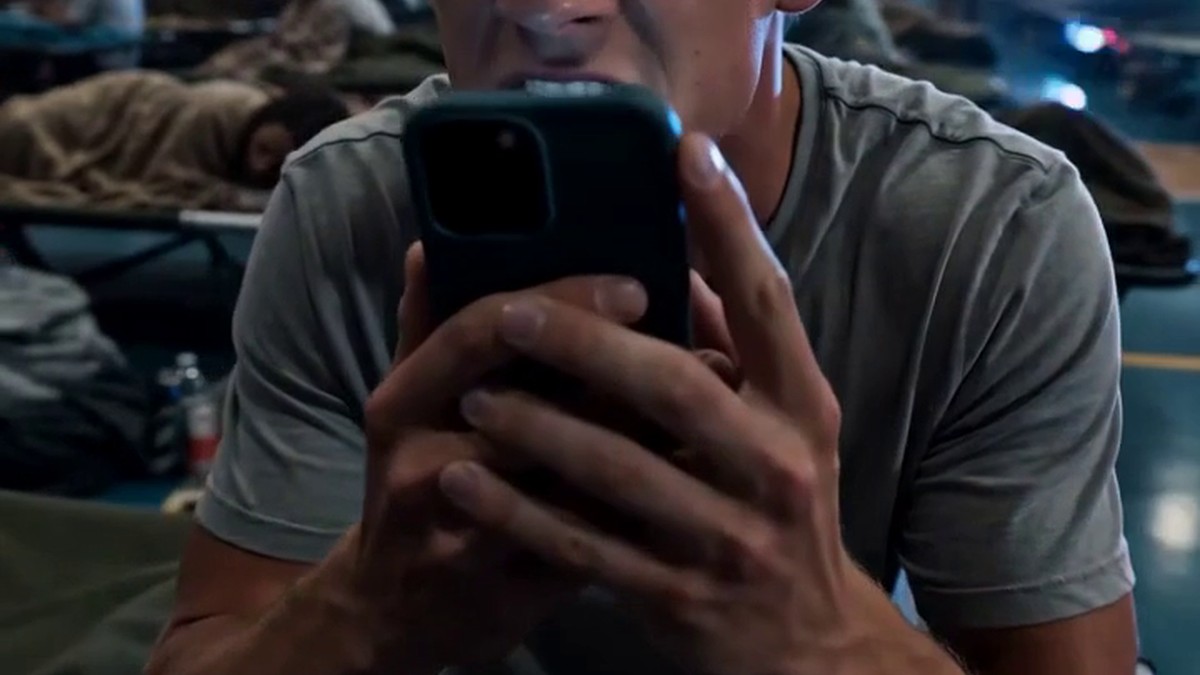
The evacuation was chaos. A French bulldog, shivering in a designer carrier, whimpered as its owner screamed into a dead cellphone. We were herded to a high school gymnasium in Goleta. My mother’s pristine white slacks were streaked with mud up to the knees. I had nothing but the clothes on my back and a phone with five percent battery. The car, a brand-new Tesla, was somewhere under a ten-foot blanket of debris. My wallet was in the glovebox.
It took me two hours to beg a charger off a Red Cross volunteer. When my phone lit up, the screen was a flood of news alerts and bank notifications from a dozen missed calls.
I called Sarah. It wasn't for love. It was for logistics. Pure, selfish logistics. She was my emergency contact, the only person in the world whose number I actually knew by heart.
Her voice was steady. That’s what I remember most.
“Jake. I saw the news.”
I was shivering, though it wasn’t cold. “Sarah, it’s a nightmare. The car is gone. The hotel is gone. Mom’s cards are under a mountain of mud and the insurance company is saying we can’t file a claim until the roads open. We don’t have a cent. We can’t even get home.”
There was a pause. I could hear the mechanical click of her own IV pump in the background. It was a symphony compared to the noise in the gym.
“You need me to wire you money,” she said. It wasn’t a question.
“Baby, please. I know I screwed up. I’ll spend the rest of my life making it up to you. We just need to get a rental car out of here. Please.”
The silence stretched so long I pulled the phone away from my ear to check if the call had dropped.
Then, her voice. So clear. “Jake, do you remember what you said to me? When I was lying on the couch, too weak to make myself soup? You said, ‘Everything is already paid for.’ Your ticket was already paid for. So you figure it out.”
“This is different,” I whispered, my throat closing. “This is an emergency.”
“No,” she said. “This is a natural disaster. My husband abandoning me for a luxury trip during chemotherapy was a choice. You made yours. I’m making mine. Goodbye, Jake.”
The line went dead. Not a slam. Just a soft, digital disconnect.
My mother was on a cot nearby, her mascara a raccoon mask of panic, demanding I call a lawyer. I just stared at the blank screen of my phone, the reflection showing a man who had just been handed a bill for his choices, and the bill was everything.
Getting back to Phoenix took three days. My mother pawned her Rolex at a pawn shop in Santa Barbara for gas money and we drove a dented 2010 Honda Civic off a used lot. I walked into our house on a Tuesday morning, reeking of stale coffee and defeat. Sarah’s keys were on the counter, the house key I’d given her three years ago sitting alone on the granite, separated from the rest of the ring. The oxygen machine was gone. The drawers in the bedroom were half-open and empty.
She left a single document on the kitchen island. It wasn’t a note. It was her latest blood work results, stamped in blue ink from the Mayo Clinic: “Complete Remission.”
She didn’t need me for the hard part. It turned out, she never had.
The last time I saw her, a year later, she was walking out of a coffee shop in Tempe. Her hair had grown back—short, dark curls dancing in the dry heat. She was laughing, carrying a cup that didn’t have the sip-lid of a medical beverage. It was just a normal coffee. She was just a woman, living a life that no longer had a single comma for me in it.
I didn’t wave. There was no point. I just stood there next to my beat-up Honda, clutching the key fob for the apartment I now rented alone, feeling the full weight of a disaster that had no insurance policy and no FEMA aid.
The mudslide took a night. But my wife lost a lifetime in her heart for me in a single afternoon. And some destruction, you just don't get to come back from.