She was out of bed before the second ring, her feet landing in the dark with a practiced certainty. The green numbers had told her everything she needed to know—the hospice line, the one she’d saved under “Do Not Ignore.” Her fingers, dry and cracked from endless handwashing, closed around the phone. The caller ID said “Dallas Central Hospice, Room 214.”
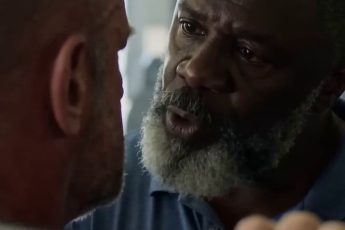
“Carla? It’s Marcus. You should come now. The breathing changed about twenty minutes ago.”
She didn’t ask questions. She pulled on yesterday’s jeans, the same gray sweatshirt with the frayed left cuff, and grabbed the car keys from the bowl by the door. The drive to the facility took eleven minutes under normal circumstances. She made it in eight, running two red lights on Mockingbird Lane and once catching sight of her own face in the rearview mirror—hollow, uncombed, forty-one years old with a college freshman’s terror in her eyes.
Marcus, the overnight nurse, met her at the elevator. The fluorescent light in the hallway had that humming quality, the one that turns every corridor into a long fluorescent fish tank. He didn’t say much. They never did, this time of night.
In the room, her mother lay with her mouth slightly open, each inhale a negotiation between the body and whatever the body had decided to give up. The oxygen machine made its small, damp rhythm. The IV stand wore its bag like a skin it was trying to shed.
Carla sat in the chair she had grown to know by touch—the left armrest cracked, the cushion giving way exactly where her hip had pressed into it for the last six weeks. She had spent sixty-one nights in this room. She had counted, once, in a moment of terrible insomnia, and then immediately wished she hadn’t.
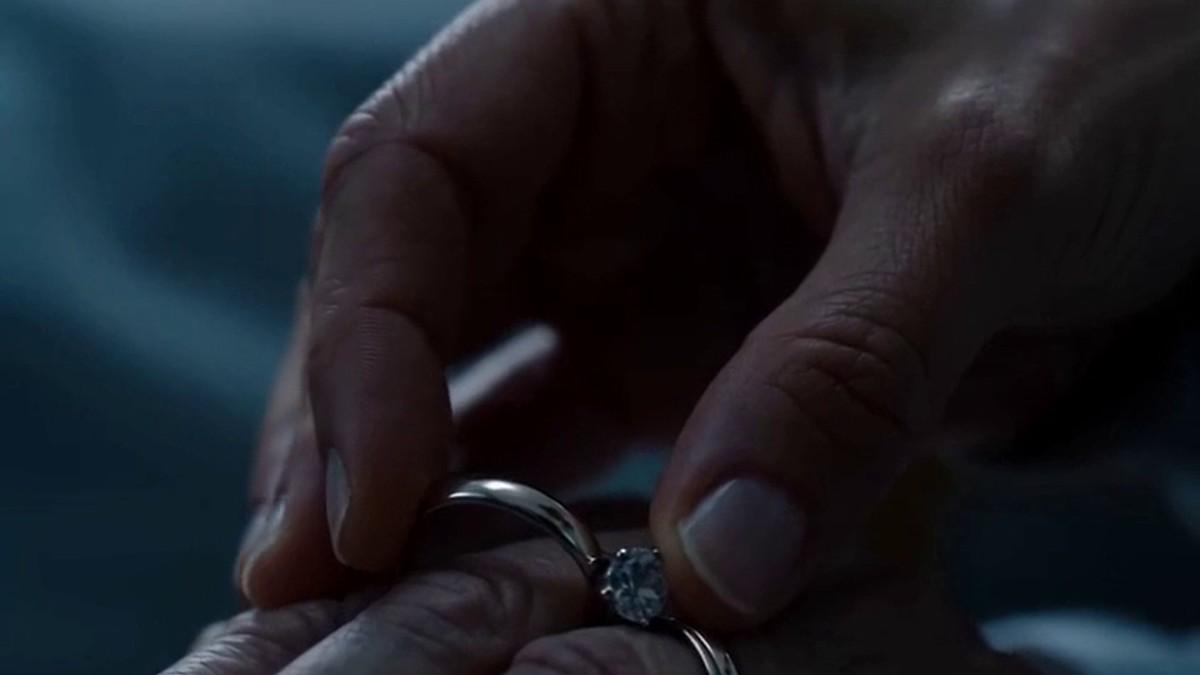
She took her mother’s hand. The skin had gone papery and cool, the wedding ring sliding loose around the knuckle that had once been strong enough to knead bread every Sunday. Carla tucked the blanket up over the thin shoulders, then pressed her lips to the back of that hand, the way you might kiss a stone that once was warm.
“I love you, Mom,” she said. Her voice came out cracked, like a radio station fading in and out of range.
Her mother couldn’t answer. That was the part nobody prepares you for. You spend your whole life waiting for the last thing they’ll ever say to you, and then the last thing turns out to be nothing—just the uneven breathing of a body that doesn’t know how to stop.
Somewhere in the building, a cleaning cart squeaked. A phone rang at the nurses’ station. The world went about its ordinary business, which felt obscene.
Carla squeezed her mother’s hand, and she did the only thing left to do. She started talking.
She told her mother about the summer of 1988, when they’d driven to Galveston in the old Buick and the radiator blew on the causeway. About how her mother had flagged down a man in a shrimp truck, and the two of them had stood on the shoulder of the road in ninety-eight-degree heat, laughing about the absurdity of it. About the way her mother had made lemonade from powder in a scratched Tupperware pitcher, and how nobody else in the world could make it taste like that.
She found herself apologizing for things.
For the time in tenth grade when she’d yelled that she hated her mother because the woman wouldn’t let her go to a party. For the spring break when Carla went to South Padre Island and didn’t call for four days, and when she finally did, her mother’s voice had that tightness that meant she’d been crying. For every night she’d sat in a dorm room in Austin, then a studio apartment in Houston, then a rented house in Fort Worth, and thought: I’ll call tomorrow.
Tomorrow had always come. Until the day it didn’t.
The breathing shifted again. Marcus came in, checked the monitor, adjusted the morphine drip. He didn’t offer false comfort. He’d been doing this for seventeen years. He once told Carla that what he did was midwife the dying, and the thought had stayed with her like a stone in her shoe.
Carla kept talking. She told her mother about the last Thanksgiving, when the turkey had burned and they’d ordered Chinese food from the place on Lovers Lane, and her mother had eaten sesame chicken straight from the carton with a plastic fork and said it was the best Thanksgiving she’d ever had. She told her about the blue jay that had been rapping against the window of the sunroom every morning for the past week—a small, persistent obituary of a bird that her mother would have found hilarious.
At some point, the first gray light began to bleed through the blinds. The city was waking up. Cars on the freeway. The distant whine of a garbage truck. The smell of coffee drifting from the nurses’ station, where someone had started a fresh pot.
Carla was in the middle of a story about her mother’s terrible, wonderful habit of keeping every single greeting card she’d ever received—not in a box, but jammed between the pages of cookbooks, so that opening a recipe for lasagna might shower you with Easter bunnies from 1994—when the breathing stopped.
It didn’t stop like a door slamming. It stopped the way a clock stops when the power goes out: not dramatically, but absolutely. The next breath simply didn’t come.
Carla sat there for what felt like a long time, holding the cooling hand. The sun was up now, full morning, the kind of clear Dallas light that makes everything look scrubbed and new. She pressed her thumb against her mother’s wedding ring, turning it slowly. It slid off the knuckle without resistance.
She looked at it in her palm. A plain gold band, worn thin on one edge from fifty-two years of use. Her father had put it there in 1972, in a church in Mesquite, when both of them were so young that the photographs look like children dressed in grown-up clothes. He’d died eleven years ago, and her mother had never stopped wearing the ring. Never.
Carla slipped the ring onto her own finger. It fit her right hand perfectly, which made her laugh once—a sharp, broken sound in the quiet room. Then she sat back in the cracked chair and waited for Marcus to come, because she wanted to be the one to tell him. It seemed important, somehow. Like her mother deserved a proper announcement, not just a beeping monitor and a signature on a form.
When Marcus appeared in the doorway, he took one look at her and knew. He didn’t say “I’m sorry for your loss.” He said, “Can I get you some coffee, Carla? It’s fresh.”
And that, she thought, was the first true thing anyone had said all morning. It was fresh, the coffee. She could smell it from the hallway, dark and ordinary and completely, unreasonably alive.